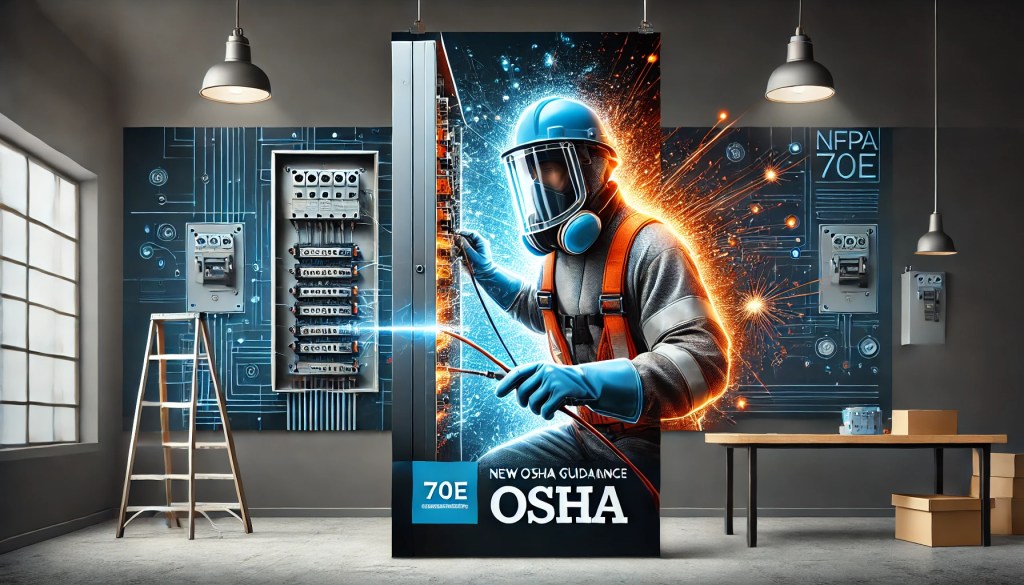
OSHA has recently issued updated guidance aimed at addressing the ongoing risks of arc flash injuries, which remain a significant hazard for electricians and other workers in the electrical industry. This new direction comes after years of collaboration with the Partnership for Electrical Safety (PES) and ongoing advocacy efforts to close gaps in worker protection.
This document can be accessed here.
The guidance specifically targets two primary issues contributing to arc flash injuries:
- Misunderstandings about de-energized work: Many tasks considered de-energized actually require an energized work permit and appropriate personal protective equipment (PPE). Not recognizing this has contributed to arc flash incidents.
- Underestimating low-voltage hazards: A common misconception is that low-voltage systems (e.g., 120/208 volts) are inherently safe. However, incidents have proven otherwise, and OSHA’s guidance stresses the need for energized work permits and PPE even at lower voltages.
This updated guidance applies across all sectors—commercial, industrial, and residential—and emphasizes the importance of compliance with NFPA 70E standards. It highlights that even as the injury rate has plateaued at about half of pre-2000 levels, ongoing issues with compliance and equipment maintenance leave many workers vulnerable.
OSHA’s recommendations include:
- Utilizing arc-rated clothing and PPE based on the work environment.
- Ensuring proper training for understanding energized versus de-energized tasks.
- Immediate adoption of the guidance, as it is already in effect.
These changes align with increased electrification efforts, including grid updates and the installation of electric vehicle infrastructure, which bring new challenges and risks to the field.
If you want to chat more about this, please feel free to send me an email at thomas@thomasdomitrovich.com.

 My NFPA 70E
Leave a comment